
Featured News
Dr. Valerie Gouon-Evans is using mRNA and cell-based therapies to restore liver function and promote healing, offering new hope for the millions of people living with liver disease.
Click here to read
HEALTHCITY | By Gina Mantica
June 26, 2026
CReM Latest
- CReM Feature

Page 10 spotlights a CReM trainee and PhD Candidate in the Gouon-Evans Lab, Elissa Everton.
Page 14 congratulates George Murphy, PhD, for receiving a 2021 Healthy Longevity Catalyst Award for his project “Deciphering Mechanisms of Disease Resistance and Longevity in Centenarians.”
The page 18 cover story showcases Boston University’s longest-running, federally funded training program that began in 1975 and has been refunded through its 50th year.
- Publications

Hemogenic endothelial cells (HECs) are specialized cells that undergo endothelial to hematopoietic transition (EHT) to give rise to hematopoietic progenitors. Though not defined as a hematopoietic organ, the lung houses many resident hematopoietic cells, aids in platelet biogenesis, and is a reservoir for hematopoietic stem and progenitor cells (HSPCs), but lung HECs have never been described. Using explant cultures of murine and human fetal lungs, we demonstrate that the fetal lung is a source of HECs that have the functional capacity to undergo EHT to produce de-novo HSPCs. Flow cytometric and functional assessment of fetal lung explants showed the production of HSPCs that expressed key EHT and pre-HSPC markers. scRNA-Seq and small molecule modulation demonstrated that fetal lung EHT is reliant on canonical EHT signaling pathways. These findings suggest that functional HECs are present in the fetal lung, thus establishing this location as a potential extramedullary site of de-novo hematopoiesis.
- CReM Feature

A bold early-stage project aiming to develop lab-grown lungs—which could bring fresh hope to people with pulmonary diseases such as asthma and lung cancer—has been awarded $1.5 million over three years from the Paul G. Allen Frontiers Group. The effort will be led by researchers at Boston University’s College of Engineering and School of Medicine.
- Publications

Individuals homozygous for the pathogenic “Z” mutation in alpha-1 antitrypsin deficiency (AATD) are known to be at increased risk for chronic liver disease. That some degree of risk is similarly conferred by the heterozygous state, estimated to affect 2% of the US population, has also become clear. A lack of model systems that recapitulate heterozygosity in human hepatocytes has limited the ability to study the impact of expressing a single ZAAT allele on hepatocyte biology. Here, through the application of CRISPR-Cas9 editing, we describe the derivation of syngeneic induced pluripotent stem cells (iPSCs) engineered to determine the effects of ZAAT heterozygosity in iPSC-derived hepatocytes (iHeps) relative to homozygous mutant (ZZ) or corrected (MM) cells. We find that heterozygous MZ iHeps exhibit an intermediate disease phenotype and share with ZZ iHeps alterations in AAT protein processing and downstream perturbations in hepatic metabolic function including ER and mitochondrial morphology, reduced mitochondrial respiration, and branch-specific activation of the unfolded protein response in subpopulations of cells. Our cellular model of MZ heterozygosity thus provides evidence that expression of a single Z allele is sufficient to disrupt hepatocyte homeostatic function and suggest a mechanism underlying the increased risk of liver disease observed among MZ individuals.
- Publications

The alveolar epithelial type 2 cell (AEC2) is the facultative progenitor of lung alveoli tasked to maintain distal lung homeostasis. AEC2 dysfunction has been implicated in the pathogenesis of a number of pulmonary diseases, including idiopathic pulmonary fibrosis (IPF), highlighting the importance of human in vitro models of the alveolar epithelium. However, AEC2-like cells captured in cell culture have yet to be directly compared to their in vivo counterparts at single cell resolution. Here, we apply single cell RNA sequencing to perform head-to-head comparisons between the global transcriptomes of freshly isolated primary (1°) adult human AEC2s, their isogenic cultured progeny, and human iPSC-derived AEC2s (iAEC2s) cultured in identical conditions. We find each population occupies a distinct transcriptomic space with both types of cultured AEC2s (1° and iAEC2s) exhibiting similarities to and differences from freshly purified 1° cells. Across each cell type, we find an inverse relationship between proliferative states and AEC2 maturation states, with uncultured 1° AEC2s being most quiescent and mature, their cultured progeny being more proliferative/less mature, and cultured iAEC2s being most proliferative/least mature. iAEC2s also express significantly lower levels of major histocompatibility complex (MHC) genes compared to 1° cells, suggesting immunological immaturity. Cultures of either type of human AEC2 (1° or iAEC2) do not generate detectable type 1 alveolar cells in these defined conditions; however, iAEC2s after co-culture with fibroblasts can give rise to a subset of cells expressing “transitional cell markers” recently described in fibrotic lung tissue of patients with pulmonary fibrosis or in mouse models of pulmonary fibrosis. Hence, we provide direct comparisons of the transcriptomic programs of 1° and engineered AEC2s, two in vitro model systems that can be harnessed for studies of human lung health and disease.
- CReM Feature
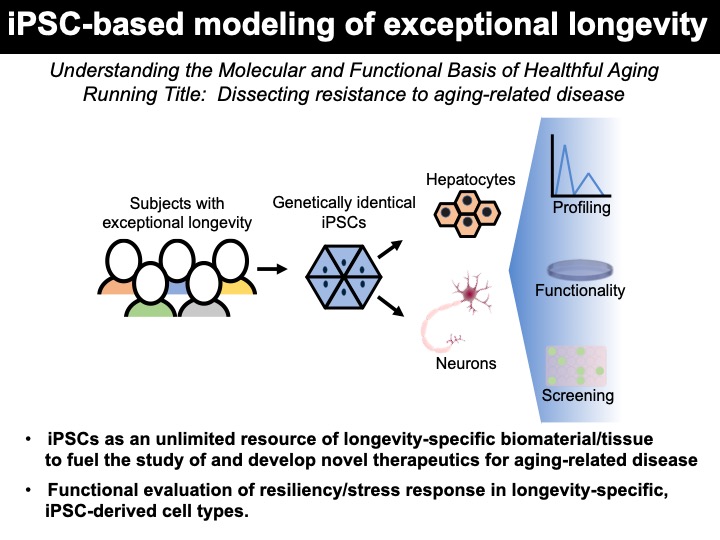
To keep up with the world’s rapidly aging population, the NAM launched the Healthy Longevity Global Competition, a multi-stage global competition designed to seek out bold, innovative, and breakthrough ideas that challenge the way we think about aging. The Catalyst Award, the first stage of the competition, rewards exciting opportunities that display prospective improvement in the mental, physical, and social well-being of individuals as they age. George Murphy is one of NAM’s 46 U.S.-based Catalyst Awardees. We hear from George, co-founder of the Boston University and Boston Medical Center’s Center for Regenerative Medicine (CReM), who speaks to the award-winning project seeking solutions in regenerative medicine to extend the human health span.
